Most visitors arrive at Umred Pauni Karhandla hoping for a tiger. That is a perfectly good reason to come, but it undersells the place. Between the dry deciduous teak, the Wainganga River and the Gose Khurd backwater, the sanctuary holds three quite different habitats — and a recorded species list that runs well past the big cats into some genuinely unusual company.
A note on sightings. Nothing on this page is a promise. The sanctuary has resident breeding tigers and sightings happen regularly, but no operator can guarantee one and you should be wary of any who claims otherwise. What we can tell you honestly is which zone suits which species and which season improves your odds.
The Big Cats
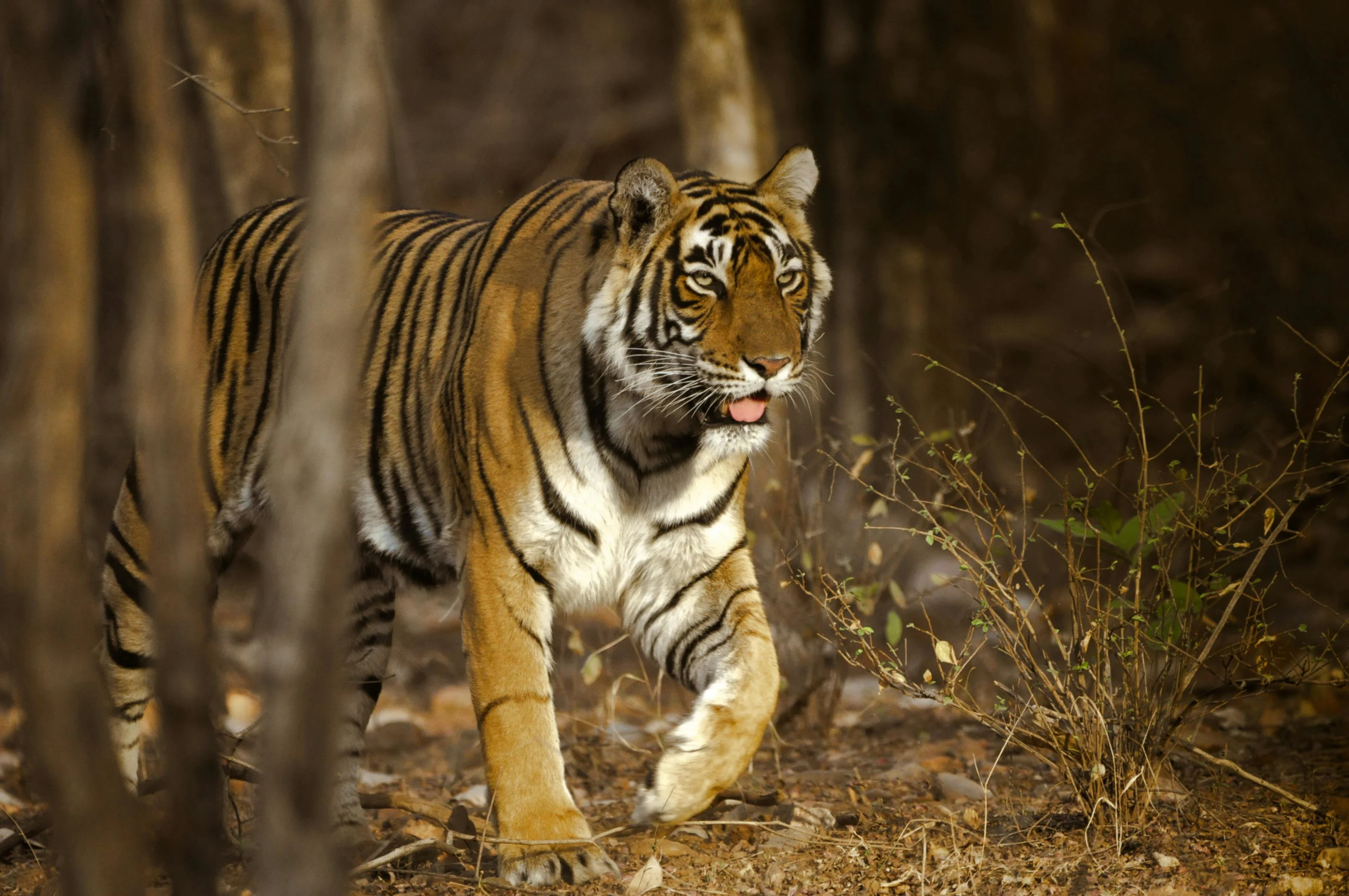
Bengal Tiger
Panthera tigris tigris
The sanctuary's flagship species and the reason most safaris are booked. UPKWS supports resident breeding tigers rather than occasional transients, which is what makes it a genuine tiger habitat rather than a corridor animals merely pass through. Tigers here move between UPKWS and the wider Tadoba landscape along forest connections following the Wainganga.
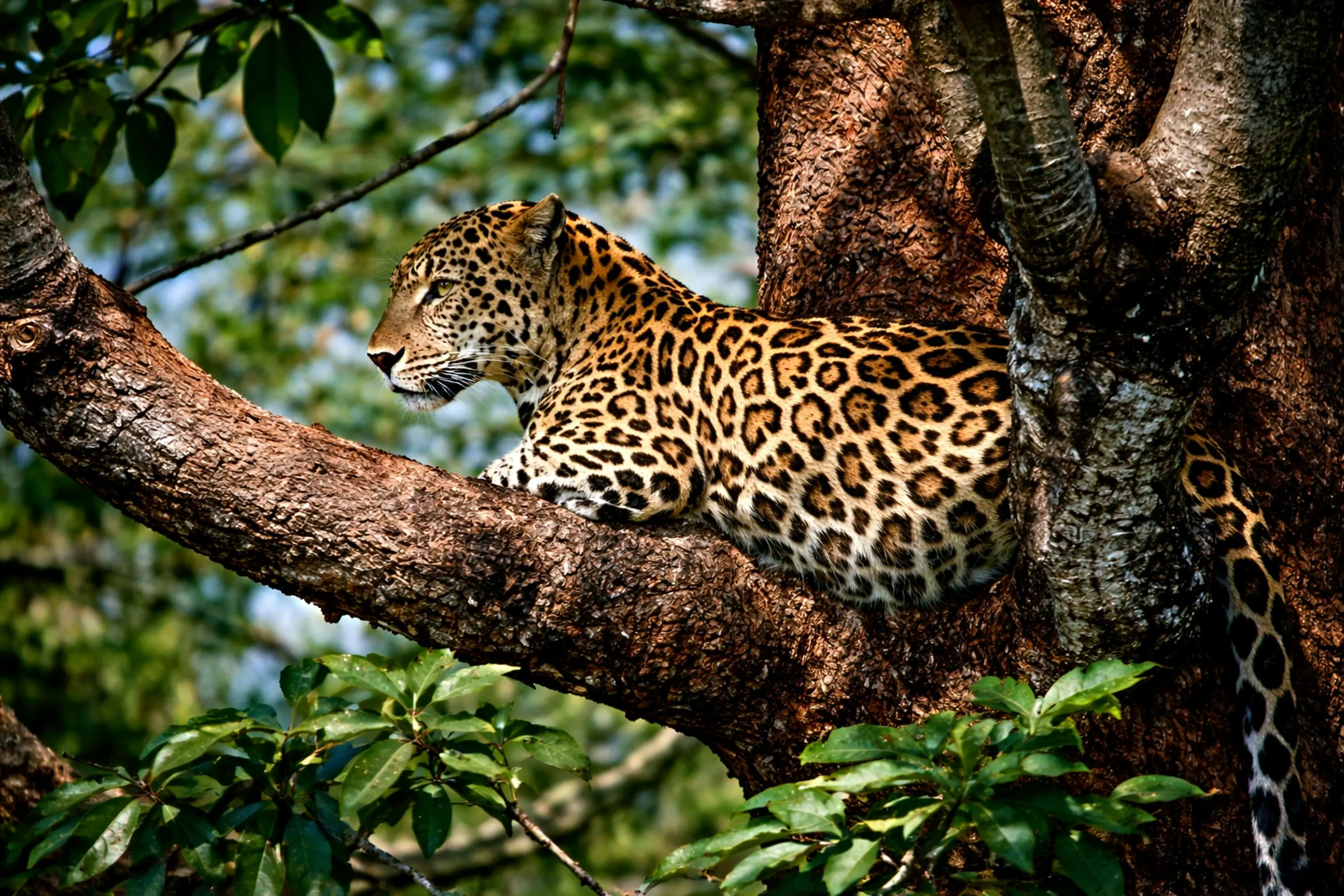
Leopard
Panthera pardus fusca
More numerous than tigers almost everywhere the two overlap, and considerably harder to see. Leopards here favour rocky outcrops and the low hill range along the northwest boundary, and they use tree cover far more than tigers do — which means looking up as well as along the track. Dawn and the last half-hour of an evening safari are the realistic windows.
Large Mammals
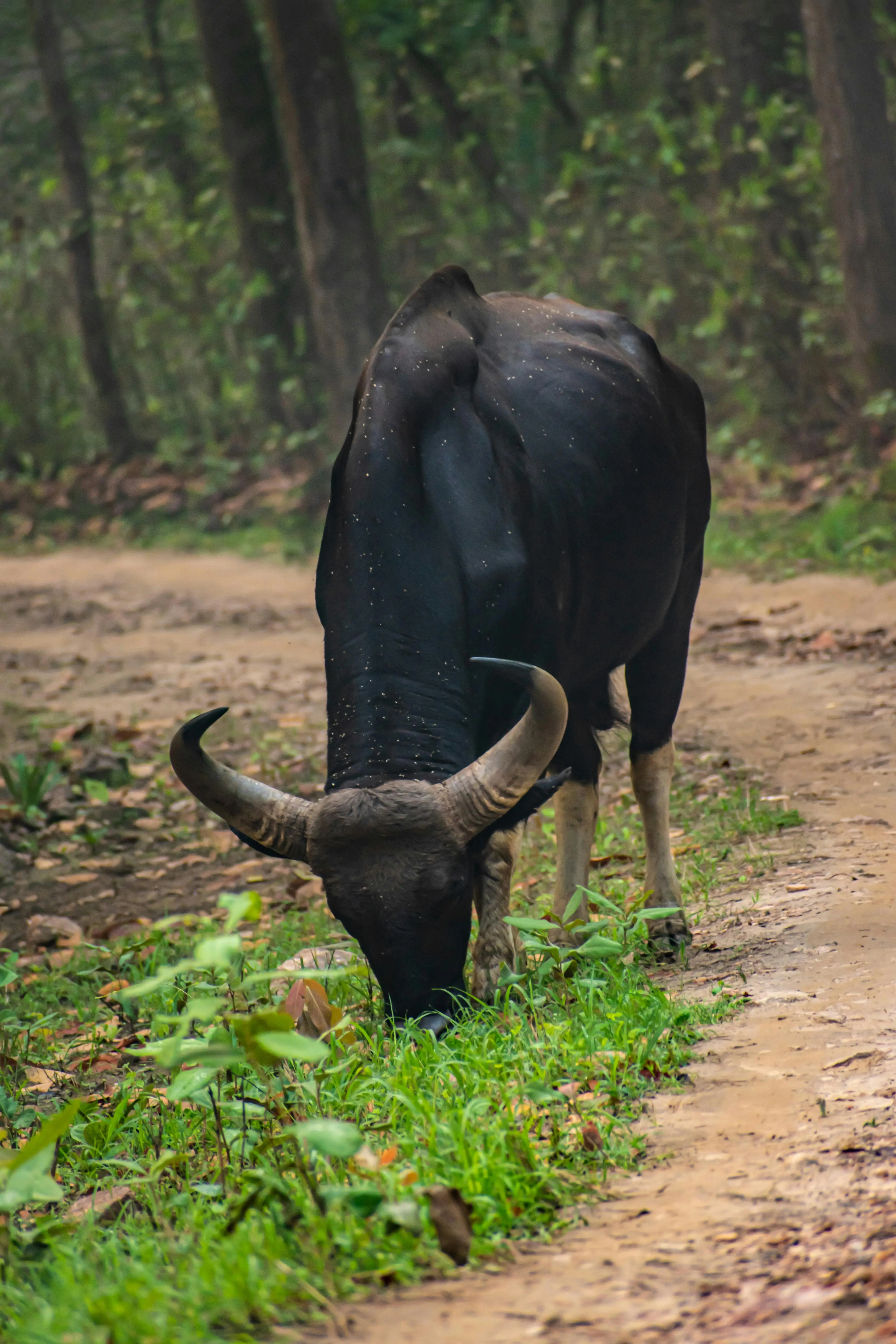
Gaur (Indian Bison)
Bos gaurus
The largest wild cattle on earth, and arguably the most reliable spectacle at UPKWS. Bulls carry enormous shoulder ridges and stand well over a metre and a half at the shoulder. Herds gather at watering holes through the dry months, and the Gothangaon zone's greener valley country is where you are most likely to find them in numbers.
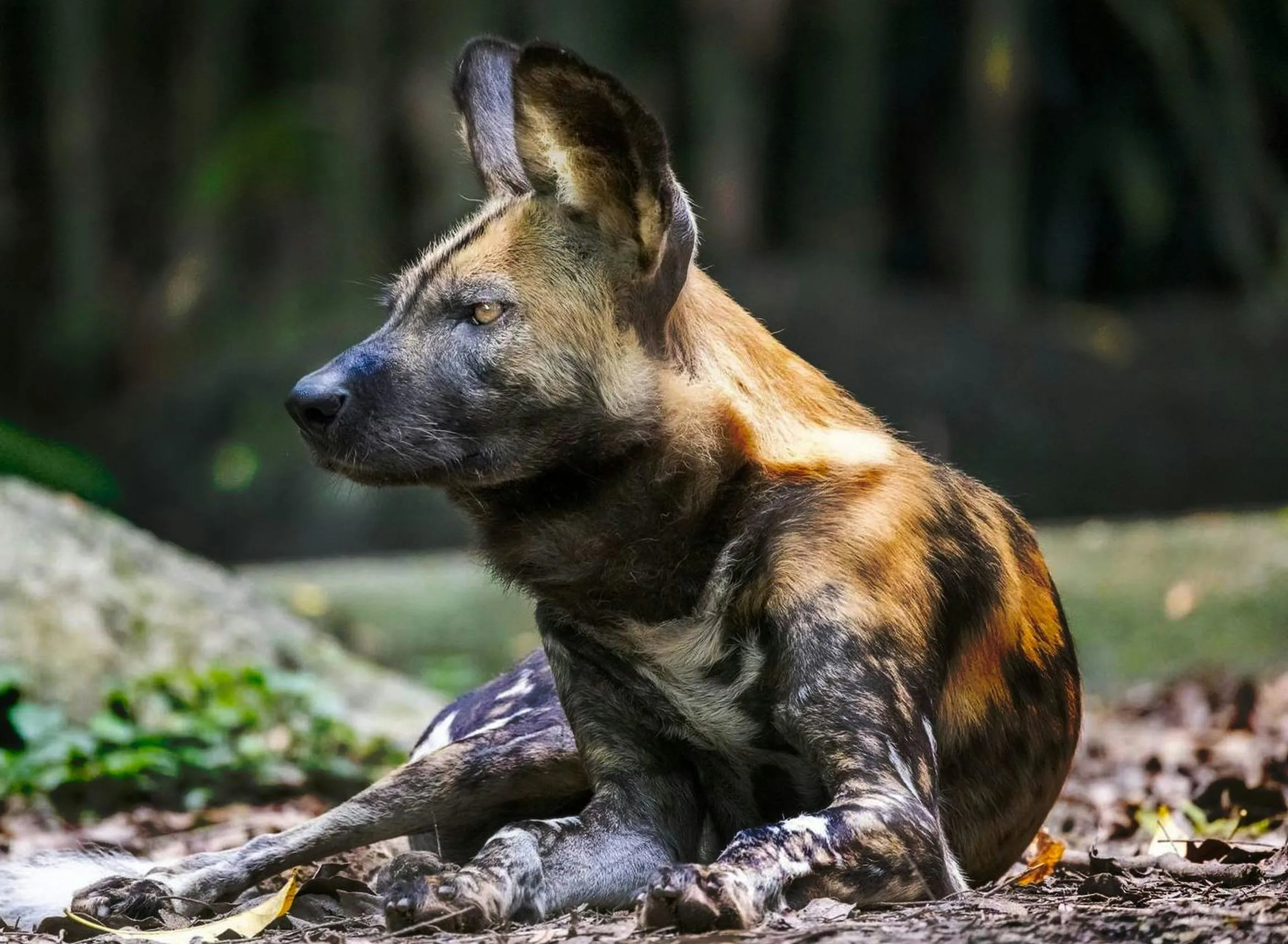
Dhole (Indian Wild Dog)
Cuon alpinus
Endangered, pack-hunting and one of the most exciting things you can encounter in a central Indian forest. Dholes hunt cooperatively in daylight, which makes them more likely to be seen actively hunting than any of the cats. Packs cover ground fast, so a sighting is usually brief and often announced by alarm calls from deer well before you see anything.
Sloth Bear & Nilgai
Melursus ursinus · Boselaphus tragocamelus
Two species that rarely make the brochures but both sit on the sanctuary's recorded list. Sloth bears are largely nocturnal and crepuscular, digging out termite mounds — look for freshly excavated mounds beside the track as evidence even when the animal has long moved on. Nilgai, India's largest antelope, prefer the more open scrub and grassland patches towards the sanctuary edges.
Deer, Prey Species and Primates
These are the animals you will actually see most of, and learning to read them is the single best thing you can do to improve your predator sightings. A sambar's alarm call carries a long way and means something is moving; langurs call from the canopy with a better view than anyone in the vehicle. Guides at UPKWS work these cues constantly.
Herbivores
- Sambar deer — largest Indian deer, favours water and dense cover
- Spotted deer (chital) — the most commonly seen mammal
- Barking deer — solitary, shy, dense undergrowth
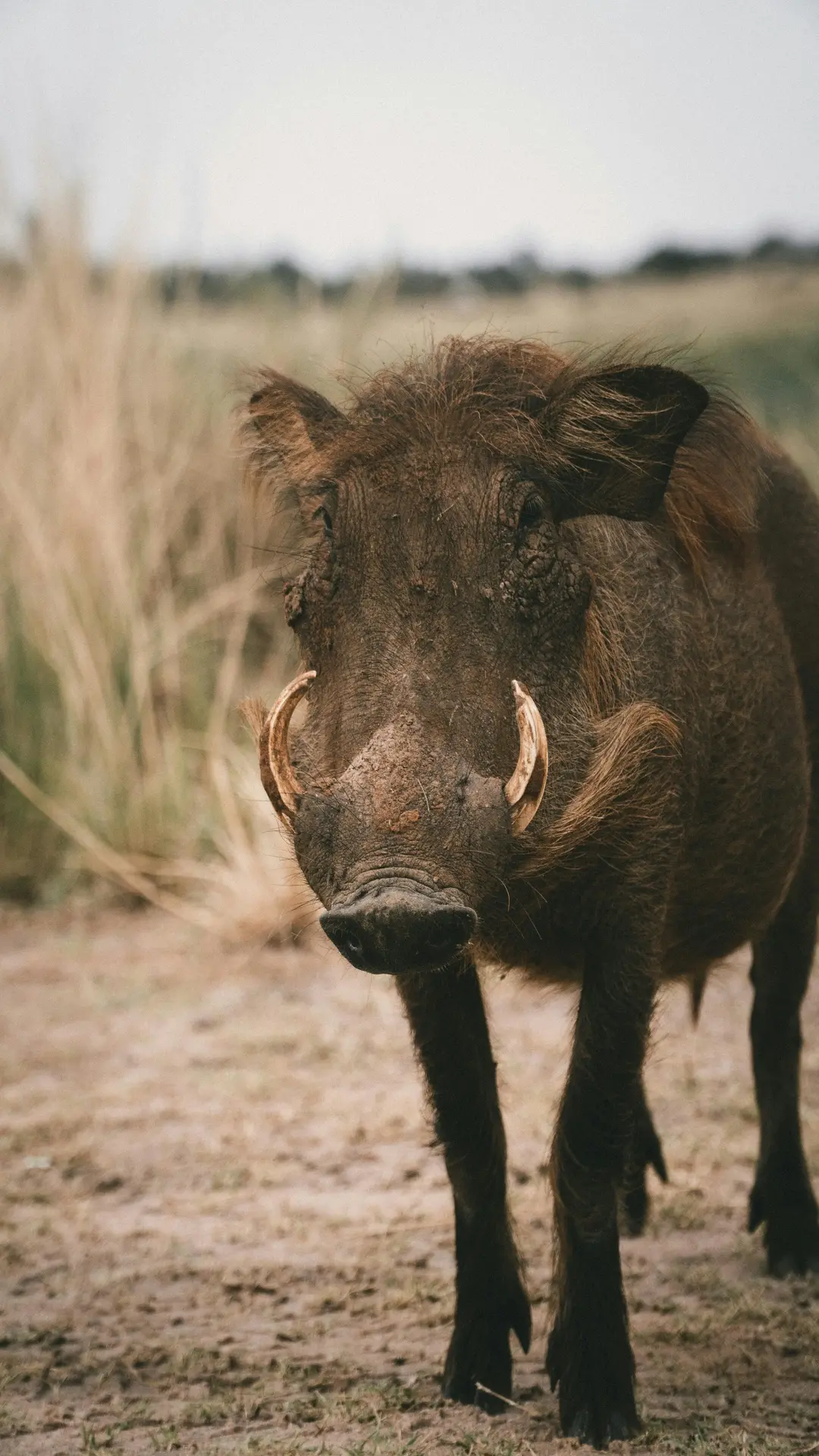
- Wild boar — family groups, often on the tracks at dawn
- Nilgai — open scrub near sanctuary edges
Primates & Small Mammals
- Grey langur — the forest's alarm system
- Rhesus macaque — around gate areas and forest edges
- Indian flying squirrel — nocturnal, glides between teak crowns
- Indian pangolin — rare, nocturnal, scale-covered anteater
- Honey badger (ratel) — rare, nocturnal, formidably tough
The rarities are genuinely rare. Flying squirrel, pangolin and honey badger all appear on the sanctuary's recorded species list, but all three are nocturnal and safari slots end well before dark. Treat them as a species-list curiosity rather than something to plan a trip around.
Birds of Umred Pauni Karhandla
Published records for the sanctuary list more than 90 bird species across 22 families and 12 orders, including over ten migratory species and seven or more classed as endangered. The riverine zone at Pauni Gate, where the Wainganga meets the Gose Khurd backwater, is by a clear margin the richest birding habitat in the sanctuary.
Water & Riverine Birds
- Pied kingfisher — hovers before diving, common along the river
- Woolly-necked stork
- Lesser adjutant — large, scarce stork
- Indian skimmer — sand bars, nationally threatened
- Black-bellied tern — rare
- Osprey — winter visitor over open water
Forest Birds
- Indian peafowl — displaying through the monsoon
- Malabar pied hornbill
- Changeable hawk-eagle
- Woodpeckers and barbets in mature teak
- Drongos, bee-eaters and rollers along the tracks
- Owls and nightjars at the very edges of the slots
Winter, roughly November to February, is when migratory arrivals push the day list highest — a dedicated birder working Pauni Gate in January can add a great deal in a single morning. A field guide to Indian birds and a decent pair of binoculars change the experience completely, and are worth more here than a long lens.
Reptiles
This is the part of the sanctuary's biodiversity almost nobody writes about. Records list over 26 reptile species across 11 families, six of them endangered — a genuinely notable figure for a protected area of this size.
| Species | Notes | Where you might see it |
|---|---|---|
| Indian python | Non-venomous constrictor, can exceed three metres | Near water, dense undergrowth, rock crevices |
| Indian cobra | Venomous; India's best-known snake | Scrub, termite mounds, forest edges |
| Russell's viper | Venomous, heavily patterned, largely nocturnal | Grassland and scrub, often near rodent activity |
| Oriental rat snake (dhaman) | Non-venomous, fast, frequently mistaken for a cobra | Open ground and tracks, active by day |
| Checkered keelback | Non-venomous water snake | Wainganga River, backwater, pools |
| Bengal monitor lizard | Large lizard, powerful digger and climber | Basking on rocks and tracks in warm weather |
Reptiles are most active in the warmer months, and the practical viewing window is the first hour of a morning safari, when snakes and monitors bask on open ground before the day heats up. They are also the best argument there is for closed footwear if you ever step out of the vehicle at a permitted point.
Where to See What
All three gates charge the same fee, so the choice comes down to which habitat suits the wildlife you are most interested in.
| Gate | Habitat | Strongest for | Closed |
|---|---|---|---|
| Karhandla | Dense teak, bamboo, core zone | Tiger, leopard, sambar, langur | Mondays |
| Gothangaon | Green valleys, watering holes | Gaur herds, dhole packs, forest birds | Mondays |
| Pauni | Riparian forest, river, sand bars | Water birds, reptiles, riverine species | Tuesdays |
When to See What
| Season | Mammals | Birds | Reptiles |
|---|---|---|---|
| Mar – Jun (summer) | Best — animals concentrate at shrinking water | Resident species only | Most active |
| Jul – Sep (monsoon) | Harder — dense cover, water everywhere | Breeding activity, peafowl displaying | Active |
| Oct – Feb (winter) | Moderate, spread out | Best — migratory arrivals | Least active |
Our month-by-month season guide covers this in more detail, including weather, crowd levels and permit availability.
Watching Wildlife Responsibly
- Keep quiet and stay seated. Noise and movement are the most common reasons an animal leaves before everyone has seen it.
- Wear muted, earthy colours. Avoid white and bright shades; skip perfume and scented products entirely.
- No flash. It startles animals and ruins the sighting for the vehicles behind you. Raise your ISO instead.
- Let the guide set the distance. Forest department naturalists know the individual animals and how much space each tolerates.
- Never feed anything, and carry every scrap of rubbish back out. Plastic bags are not permitted inside.
- Drones are prohibited without written permission from the Chief Wildlife Warden.